
Choosing a Music Teacher: The Trial Lesson, the Working With Children Check and the Term Fees
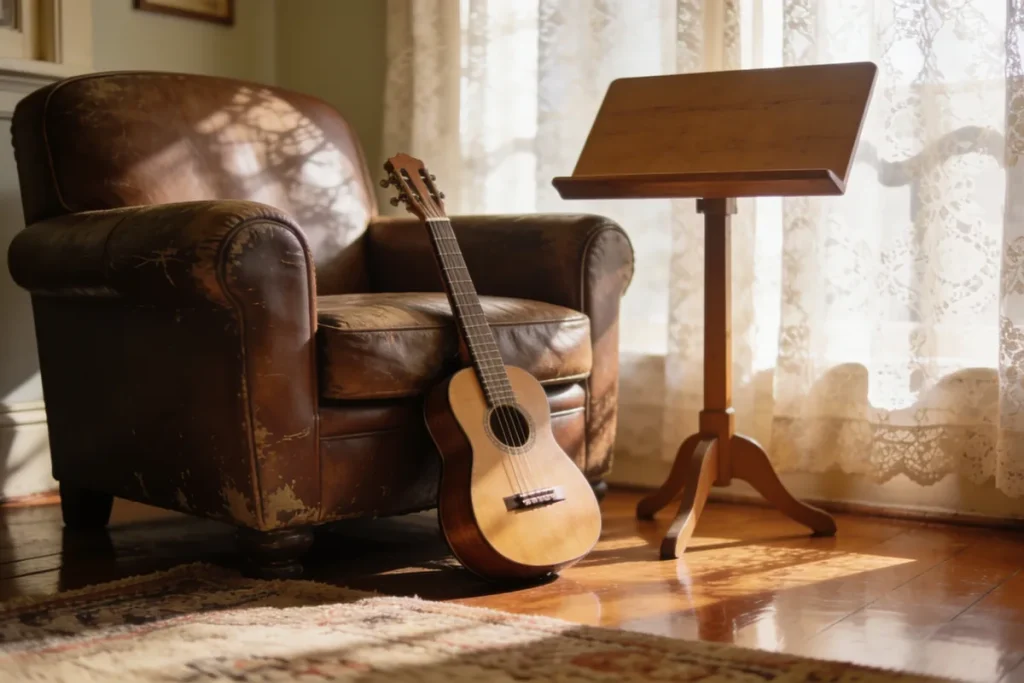
There is a second-hand keyboard in the lounge room, and for three weeks the same song has been coming out of it, the same eight bars, over and over, with the same wrong note in bar six. It is a good sign. A child who will not stop playing one song is a child who might want lessons, and so you start looking. Within ten minutes of home there are three teachers: one who comes to the house, one with a studio in a converted garage, and a music school in the shopping strip. Then the first email arrives, with an invoice for a whole term attached, before anyone has played a note. I like to treat this as a short vetting job with four parts: the clearance, the teacher’s background, the trial lesson and the money terms. The checklist below covers the parts you can tick off before or at the first lesson.
First-lesson checks for a music teacher
0 of 13Tick these off before or at the trial lesson.
The check and the setting
Fees and missed lessons
The year ahead
Ask for the terms in writing before the first invoice.
Private, studio or school program
Music lessons for children come in a few broad shapes, and each one changes the questions you need to ask.
A private teacher who visits your home is convenient, and you can hear the lesson from the kitchen. A teacher with their own studio means a drive, but often a better instrument and a room set up for teaching. A music school usually has several teachers, set term structures and written policies, which makes the terms easier to find but harder to negotiate. And many schools run lessons during the school day, sometimes through a visiting teacher, which saves the drive entirely.
There is also the choice between one-to-one and group lessons. Group lessons can suit a beginner who is not sure yet, and some children learn faster with others in the room. One-to-one lessons move at the pace of a single student, which suits a child who has already decided this is their thing.
Each shape has a different set of costs around the lesson itself. A home visit may carry a travel charge. A studio or school may ask your child to buy particular books. And if you do not own the instrument yet, ask whether the teacher or school hires one out, or whether they would rather you waited until after the trial before buying anything. Put those questions next to the lesson price, because they are part of the same decision.
The education and training listings include music schools and tutors, which is a reasonable place to build a shortlist. Whichever shape you choose, the next step is the same: ask for the teacher’s Working With Children Check.
The Working With Children Check
In New South Wales, the Office of the Children’s Guardian lists music teachers and tutors among the roles that need a Working With Children Check.
A few details from the Office’s guidance are worth knowing:
- A Check lasts five years.
- You can only engage someone whose Check status is “Cleared” or “Application in progress”.
- A person can start work on an application number while the Check is still being processed.
- Babysitting by private arrangement is exempt, but music lessons are not babysitting.
The practical step is simple. Ask for the teacher’s Check number before the trial lesson, not after the first term. In NSW, the number can be verified online through the state’s verification service, which is how you confirm the status for yourself rather than taking it on trust. If the status is anything else, or the teacher is reluctant to give you the number, you have your answer.
Keep a note of the number and the date you checked it. Because a Check lasts five years, a teacher your child stays with through primary school may need to renew partway through, and it is reasonable to look again at that point. The same applies if lessons move from a studio to your home, or if a different teacher at a music school takes over. The person in the room with your child is the person whose Check you want to see.
Other states and territories run their own working with children schemes, with their own rules about who needs a check and how it is verified. If you live outside NSW, look up your state’s scheme and follow its process. I am not going to summarise them here, because the details differ and you should read them from the source.
Training and the exam question
The teacher’s background is harder to check than the clearance, because there is no single qualification that every music teacher holds. Some have teaching qualifications. Some have performance degrees or years of performing behind them. Some are former students who have been teaching beginners for a long time and are very good at it. Performers who also teach are common, and the music and entertainment listings include some of them.
Rather than looking for one credential, ask what the teacher’s own training was, how long they have been teaching children, and what age and level they usually teach.
Then there is the exam question. Graded music exams are optional. Some families want them because they give a sense of progress and a target to work towards. Others would rather their child learns songs they love and never sits an exam. Neither is wrong, but you need to know which one the teacher assumes. The clearest way to ask is: what is a year of lessons meant to achieve? An answer like “she’ll be playing simple pieces with both hands and reading basic notation” is something you can check against in twelve months. An answer like “we’ll see how she goes” is not wrong for a beginner, but ask when you will both sit down and look at progress. If exams or concerts are part of the plan, ask about any extra fees for them too.
The trial lesson
A trial lesson is a sample, and like any sample, it is more useful if you know what to measure.
Watch how the teacher explains things. Do they show as well as tell? Do they check that your child understood, or just move on? A good explanation to a seven-year-old sounds very different from one to a teenager, and a teacher who adjusts is a good sign.
Watch how your child responds. Are they engaged, or are they looking at you? Do they want to try again after a mistake? A trial will not tell you everything, but a child who walks out humming is giving you data.
Ask about practice. How much does the teacher expect each week, and what should that practice look like? A teacher who sets clear, small practice tasks makes life easier for the whole household.
And settle whether a parent stays in the room. Some teachers prefer to teach alone and some welcome a parent, and with home visits and studios, it is reasonable to ask where you can be during lessons. For younger children especially, many families prefer to stay within earshot.
Afterwards, ask your child what they thought, and ask before you say what you thought. Then compare notes on the same few points for each teacher you try: how clearly they explained, how your child responded, what practice was set and how the room was arranged. If you are trying two or three teachers, write those notes down on the day. After a week, the trial lessons start to blur together, and the one you remember best may just be the most recent.
Term fees, missed lessons and makeups
This is the section where disagreements actually happen, and it is the one I would read twice.
A parent in NSW once posted online about a dispute with a former piano teacher over a missed lesson fee. The teacher invoiced by the month, and their terms required a set period of notice to cancel a lesson. The parent had not given that notice, and the teacher charged for the lesson. Most of the people who replied sided with the teacher, and the reason they gave was simple: those were the terms the parent had agreed to. The cancellation policy you accept in writing is the one that applies, so read it before term one starts.
The questions to work through are these:
- Are lessons invoiced by the term, by the month or paid lesson by lesson? If it is by the term, how many lessons does the term cover?
- How much notice does the teacher need from you to cancel a lesson? Whatever the notice period the teacher sets, write it down.
- If your child misses a lesson, is it charged, made up later or credited to the next invoice?
- If the teacher cancels, is the lesson made up or refunded?
- How are public holidays and school holidays handled? Are lessons paused, or rescheduled?
- How much notice is needed to stop lessons, especially partway through a term?
Think of it as six cells in a spreadsheet that need a value before you pay. A blank cell is where the dispute will come from.
Get the answers in writing. If the teacher has a written policy, ask for it. If they do not, an email setting out what you agreed is enough to avoid a dispute later.
Agree the Rules Before the Scales
The order matters. First the Working With Children Check, verified, before the trial. Then the teacher’s background and what a year of lessons is meant to achieve. Then the trial lesson, with your eyes on the teaching as much as the music. Then the money: invoicing, cancellations, missed lessons, holidays and how to stop. None of these questions is awkward to ask, and a teacher who has been doing this for a while will have heard them all before. Most will be glad you asked before term one rather than after the first missed lesson. Once those terms are in writing and you have paid the first invoice, the wrong note in bar six becomes the teacher’s job to fix.
Sources: NSW Office of the Children’s Guardian, Who needs a Check (https://ocg.nsw.gov.au/working-children-check/who-needs-check)